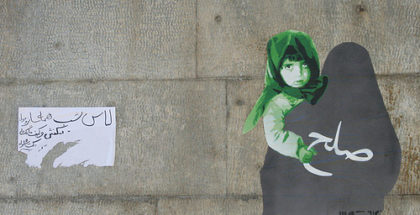
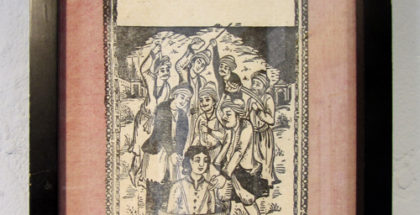
This is a print made from an old metal printing plate from Iran, I am guessing c. 1930s. The photo is of Joseph being thrown in the well by his brothers. The story is originally from the Torah, but also … Read More
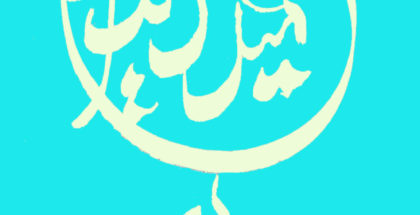
به اميد ديدار Persian calligraphy by S. J. Thomas. www.palmstone.com
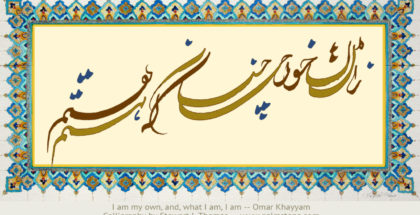
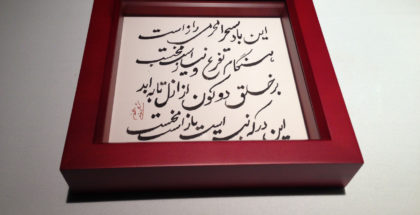
The 11th century poet, Omar Khayyam, says “I am my own, and, what I am, I am / من زان خودم چنان که هستم هستم” Calligraphy and hand painted border by Stewart J. Thomas, www.palmstone.com
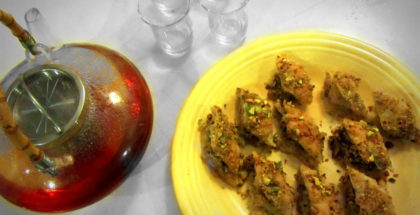
No Ruz Pirooz. Home-made Iranian style baqlava (baklava) made with almonds, pistachios, cardamom and rose water – served with tea, of course. Happy New Year, and may it be a good one.
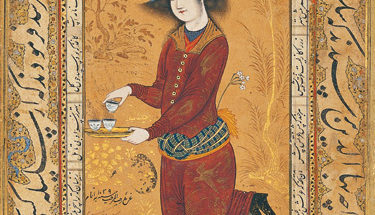
From time to time I like to feature a wonderful work from the masters:
Saki, album miniature, 1609
Reza Abbasi, 1565-1635
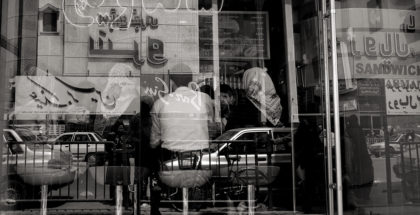
A great selection of Persian fonts and handwritten calligraphy in different sign formats. Great photograph, too. I love reflections and how they show the layering of what’s taking place in life. The intimacy of three people at a sandwich shop … Read More
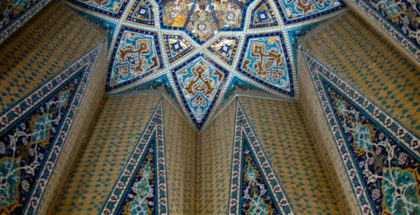
Mausoleum of the 11th century poet and mystic, Baba Tahir, Hamedan, Iran
artinparsi:
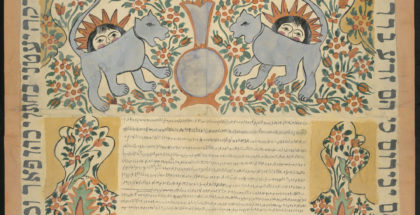
Ketubah from Esfahan, Persia, 1840s, unknown artist
Note the sun figures rising from behind the lions – traditional Iranian theme, and parrots – still associated with Ketubim from Iran to Spain.
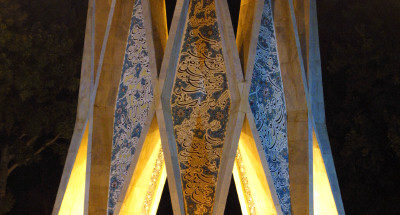
The tomb of Persian poet Omar Khayyam, in Iran. This modern structure is a phenomenal piece of design, incorporating ancient architectural forms, open spaces for light, a continuing line which wraps the entire structure, and the panels of calligraphy which … Read More
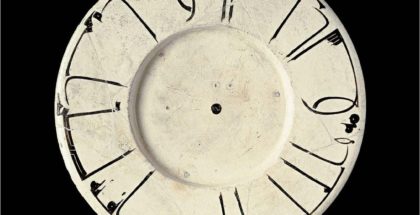
Ceramic plate from Nishapur, Iran, 10th century C.E. The border in Kufic style Arabic script can be translated as “Knowledge: the beginning of it is bitter to taste, but the end is sweeter than honey.”
e-luce-fu:
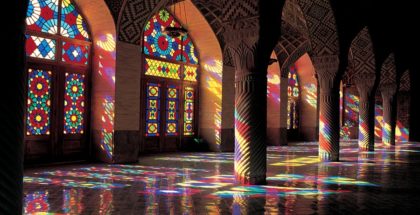
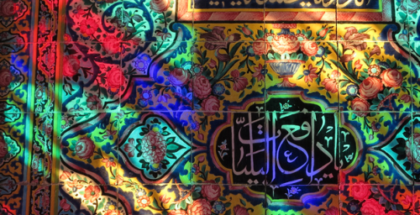
Masjed Nasir-al-Molk, Shiraz, Iran. The great strength of Iranian architecture is the use of light!
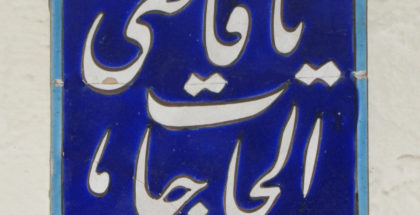
یا قاضی الحاجات
Ya Qazi ul Hajat, or Ya Qadhi al Hajat is recited as one of the attributes of God (Allah) is usually translated into English as “Oh, Bestower of Desires.” More literally translated it … Read More
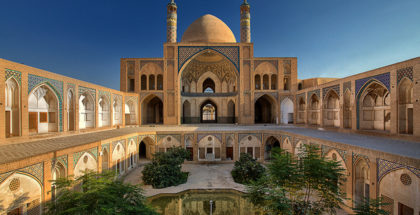
bundlesofshells:
Agha Bozorg Mosque, Kashan by _skynet on Flickr.
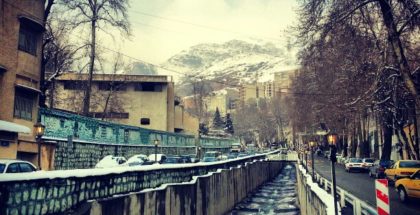
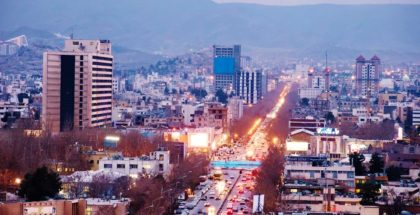
This view of the northern reaches of Tehran, Iran is notable for showing a type of Iranian waterway. The steps prevent the water from rushing down the sloped waterway with too much force. Note the depth: when snow melt becomes … Read More
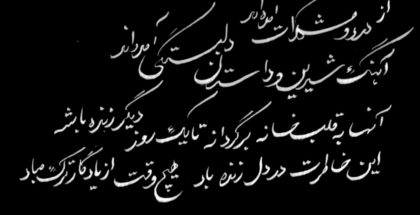
“Out of pain and problems have come the sweetest songs, and the most gripping stories. Bring them home, so that they may live another day. These memories will never fade.” Persian calligraphy by Stewart J. Thomas Read More
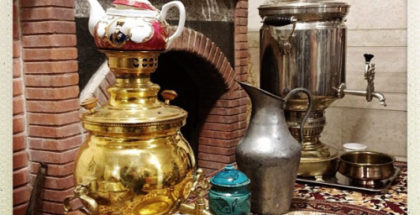
Tea Samovar. The one in the foreground is very similar to a beautiful samovar that used to be in our family.
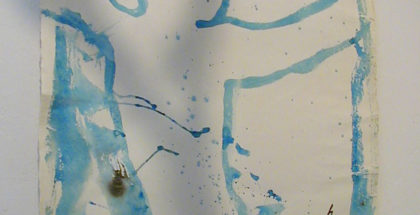
Part of the art installation “Walking in the Garden” by artist Stewart J. Thomas.